Buy gaestehaus.eu ?
We are moving the project
gaestehaus.eu .
Are you interested in purchasing the domain
gaestehaus.eu ?
domain@kv-gmbh.de · 0541-91531010
Buy gaestehaus.eu ?
How can magnesium sulfide be produced?
Magnesium sulfide can be produced by reacting magnesium metal with sulfur. The reaction typically takes place at high temperatures in an inert atmosphere to prevent oxidation of the magnesium. The chemical equation for the reaction is: 2Mg + S -> MgS. The resulting magnesium sulfide can then be isolated and purified for various industrial applications. **
How do magnesium and sulfur react to form magnesium sulfide?
Magnesium and sulfur react to form magnesium sulfide through a chemical reaction where magnesium atoms lose two electrons to form Mg2+ ions, while sulfur atoms gain two electrons to form S2- ions. These ions then combine in a 1:1 ratio to form magnesium sulfide (MgS) through ionic bonding. The reaction between magnesium and sulfur is exothermic, releasing energy in the form of heat and light. **

Similar search terms for Magnesium sulfide
Top-Angebote
Products related to Magnesium sulfide:
-
Ion Magnesium Blow DryerThis cutting-edge blow dryer is a revolutionary advancement in heat styling technology. This next-generation tool boasts rapid heat-up capabilities, ensuring a consistent and stable temperature for effortless and uniform styling. Infused with...84,99 $*Shipping: 0,00 $Secure redirect to the provider

-
How are magnesium ions and sulfide ions formed?
Magnesium ions are formed when a magnesium atom loses two electrons, resulting in a 2+ charge. This typically occurs when magnesium reacts with other elements, such as oxygen or chlorine. Sulfide ions are formed when a sulfur atom gains two electrons, resulting in a 2- charge. This can occur when sulfur reacts with metals, such as iron or copper. Both magnesium ions and sulfide ions are formed through the process of ionization, where atoms gain or lose electrons to achieve a stable electron configuration. **
-
Can the empirical formula of magnesium sulfide be determined by looking at the periodic table?
Yes, the empirical formula of magnesium sulfide can be determined by looking at the periodic table. Magnesium is a metal with a +2 charge, and sulfur is a nonmetal with a -2 charge. When these two elements combine, they form a compound with a 1:1 ratio of magnesium to sulfur atoms, resulting in the empirical formula MgS. Therefore, by understanding the charges of the elements and their combining ratios, the empirical formula of magnesium sulfide can be determined using the periodic table. **
-
Why do silver sulfide and iron sulfide glow differently?
Silver sulfide and iron sulfide glow differently because they have different chemical compositions and crystal structures. The differences in their electronic structures lead to variations in the way they absorb and emit light. Additionally, the presence of different impurities or defects in the crystal lattice of each compound can also affect their luminescent properties. Overall, these differences result in silver sulfide and iron sulfide emitting light at different wavelengths and intensities, leading to their distinct glowing appearances. **
-
What is iron sulfide?
Iron sulfide is a chemical compound composed of iron and sulfur atoms. It is commonly found in nature as minerals such as pyrite (fool's gold) and marcasite. Iron sulfide is known for its metallic luster and pale brass-yellow color. It is also used in various industrial applications, including in the production of sulfuric acid and as a semiconductor material. **
What is silver sulfide?
Silver sulfide is a chemical compound composed of silver and sulfur, with the chemical formula Ag2S. It is a black or dark gray solid that occurs naturally as the mineral acanthite. Silver sulfide is insoluble in water and is often used in the production of silver nanoparticles and as a semiconductor material. It is also a component of tarnish that forms on silver objects when they react with sulfur compounds in the air. **
What is hydrogen sulfide?
Hydrogen sulfide is a colorless, flammable, and toxic gas with a characteristic foul odor of rotten eggs. It is naturally produced by the decay of organic matter and is commonly found in natural gas, crude petroleum, and volcanic gases. Hydrogen sulfide is also produced by certain bacteria in environments with little or no oxygen, such as swamps, sewers, and manure pits. It is used in various industrial processes, including the production of sulfuric acid, but can be extremely hazardous to human health in high concentrations. **
Top-Angebote
Products related to Magnesium sulfide:
-
Robis Premium Magnesium 7 Magnesium Salts 100 CapsulesNutrition and Supplements Vitamins and minerals Robis Premium Magnesium 7 Magnesium Salts 100 Capsules Rich in magnesium, it helps reduce tiredness and fatigue. Instructions for use: Take 2 capsules a day with a sufficient amount of water, one with breakfast and one with dinner.10,01 £*Shipping: 3,99 £Secure redirect to the provider
-
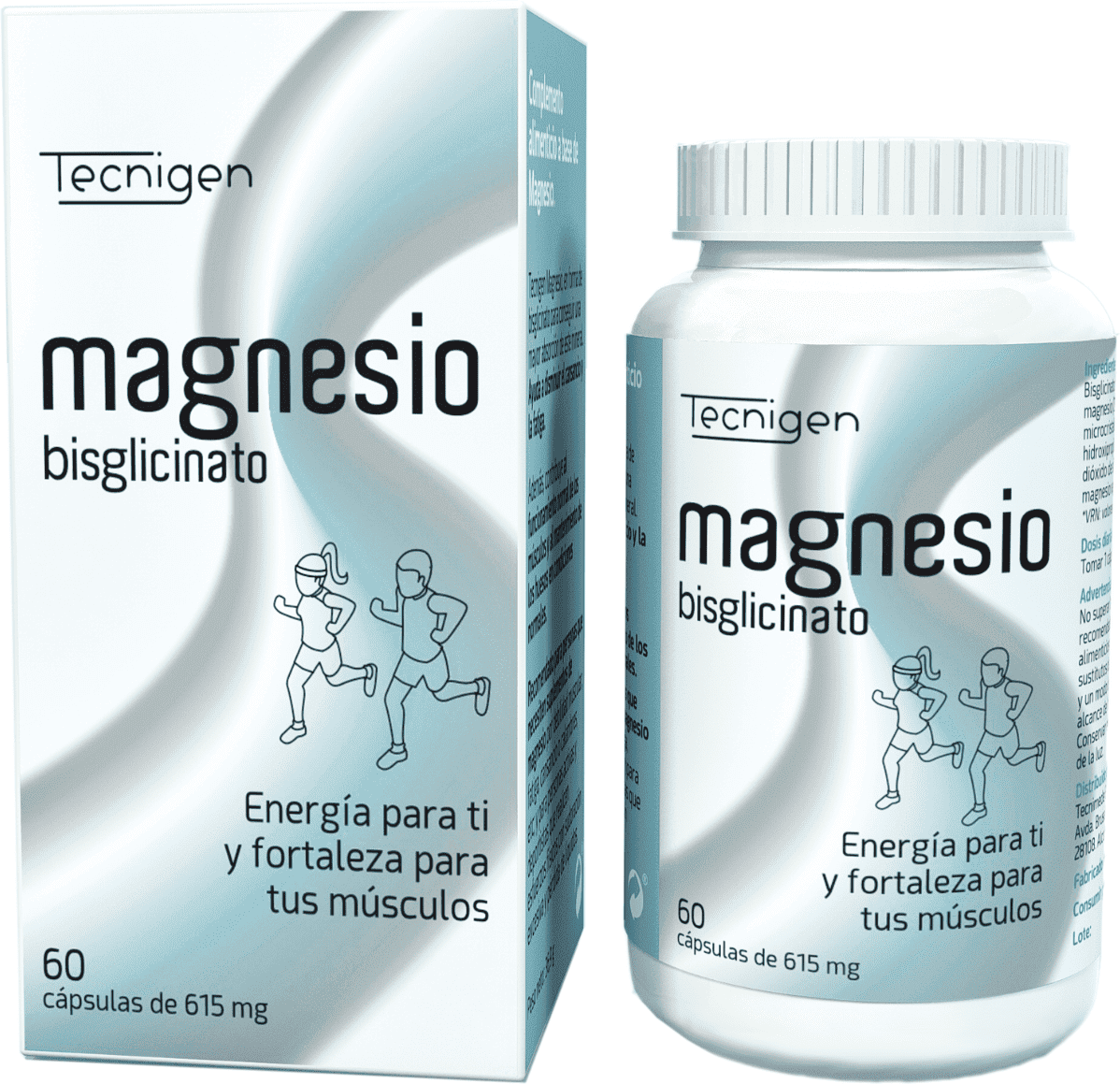
Tecnigen Magnesium 60 CapsulesNutrition and Supplements Vitamins and minerals Tecnigen Magnesium 60 Capsules What is Tecnigen Magnesium 60 Capsules? Tecnigen Magnesium 60 Capsules is a dietary supplement formulated to provide an optimal dose of magnesium, an essential mineral for proper body function. Each capsule contains a balanced amount of magnesium, designed to help maintain your energy levels and contribute to overall health. This product is ideal for people looking to improve their physical and mental well-being, as well as those who lead an active lifestyle. Benefits: Magnesium is known for its many benefits, which include: • Improves muscle function: Helps prevent cramps and improves recovery after exercise. • Increases energy: Contributes to the production of cellular energy, helping to combat fatigue. • Nervous system support: Promotes proper functioning of the nervous system, helping to reduce stress and anxiety. • Strengthens bones and teeth: A key mineral for maintaining bone and dental health. • Regulates blood pressure: Helps maintain healthy blood pressure levels. Who is it for? Tecnigen Magnesium 60 Capsules is suitable for: • Athletes: Those who practice sports regularly and need a supplement to improve their performance. • People with stress: Ideal for those looking to reduce anxiety and improve their mood. • Older adults: It can be beneficial for maintaining bone health and preventing osteoporosis. • People with restrictive diets: Those who do not get enough magnesium through their diet. How do I apply it? To take full advantage of the benefits of Tecnigen Magnesium 60 Capsules, it is recommended to follow these guidelines: 1. **Take one capsule daily** with a glass of water, preferably during a meal to improve absorption. 2. **Do not exceed the recommended dose** unless directed by a healthcare professional. 3. **Keep the product in a cool, dry place**, away from direct light. 4. **Consult a physician** before starting any supplement, especially if you have pre-existing medical conditions or are pregnant or breastfeeding. Buy Tecnigen Magnesium 60 Capsules If you're looking for a high-quality supplement to help you improve your health and well-being, don't hesitate to buy Tecnigen Magnesium 60 Capsules. This product is a perfect option for those who want to incorporate magnesium into their diet easily and conveniently. Take advantage of the benefits of this essential mineral and improve your quality of life. Place your order today and start feeling the difference! Meta description: Improve your well-being with Tecnigen Magnesium 60 Capsules. Energy, bone health, and more in one product.13,49 £*Shipping: 3,99 £Secure redirect to the provider
-
Ion Magnesium Blow DryerThis cutting-edge blow dryer is a revolutionary advancement in heat styling technology. This next-generation tool boasts rapid heat-up capabilities, ensuring a consistent and stable temperature for effortless and uniform styling. Infused with...84,99 $*Shipping: 0,00 $Secure redirect to the provider
-
How can magnesium sulfide be produced?
Magnesium sulfide can be produced by reacting magnesium metal with sulfur. The reaction typically takes place at high temperatures in an inert atmosphere to prevent oxidation of the magnesium. The chemical equation for the reaction is: 2Mg + S -> MgS. The resulting magnesium sulfide can then be isolated and purified for various industrial applications. **
-
How do magnesium and sulfur react to form magnesium sulfide?
Magnesium and sulfur react to form magnesium sulfide through a chemical reaction where magnesium atoms lose two electrons to form Mg2+ ions, while sulfur atoms gain two electrons to form S2- ions. These ions then combine in a 1:1 ratio to form magnesium sulfide (MgS) through ionic bonding. The reaction between magnesium and sulfur is exothermic, releasing energy in the form of heat and light. **
-
How are magnesium ions and sulfide ions formed?
Magnesium ions are formed when a magnesium atom loses two electrons, resulting in a 2+ charge. This typically occurs when magnesium reacts with other elements, such as oxygen or chlorine. Sulfide ions are formed when a sulfur atom gains two electrons, resulting in a 2- charge. This can occur when sulfur reacts with metals, such as iron or copper. Both magnesium ions and sulfide ions are formed through the process of ionization, where atoms gain or lose electrons to achieve a stable electron configuration. **
-
Can the empirical formula of magnesium sulfide be determined by looking at the periodic table?
Yes, the empirical formula of magnesium sulfide can be determined by looking at the periodic table. Magnesium is a metal with a +2 charge, and sulfur is a nonmetal with a -2 charge. When these two elements combine, they form a compound with a 1:1 ratio of magnesium to sulfur atoms, resulting in the empirical formula MgS. Therefore, by understanding the charges of the elements and their combining ratios, the empirical formula of magnesium sulfide can be determined using the periodic table. **
Similar search terms for Magnesium sulfide
-
Why do silver sulfide and iron sulfide glow differently?
Silver sulfide and iron sulfide glow differently because they have different chemical compositions and crystal structures. The differences in their electronic structures lead to variations in the way they absorb and emit light. Additionally, the presence of different impurities or defects in the crystal lattice of each compound can also affect their luminescent properties. Overall, these differences result in silver sulfide and iron sulfide emitting light at different wavelengths and intensities, leading to their distinct glowing appearances. **
-
What is iron sulfide?
Iron sulfide is a chemical compound composed of iron and sulfur atoms. It is commonly found in nature as minerals such as pyrite (fool's gold) and marcasite. Iron sulfide is known for its metallic luster and pale brass-yellow color. It is also used in various industrial applications, including in the production of sulfuric acid and as a semiconductor material. **
-
What is silver sulfide?
Silver sulfide is a chemical compound composed of silver and sulfur, with the chemical formula Ag2S. It is a black or dark gray solid that occurs naturally as the mineral acanthite. Silver sulfide is insoluble in water and is often used in the production of silver nanoparticles and as a semiconductor material. It is also a component of tarnish that forms on silver objects when they react with sulfur compounds in the air. **
-
What is hydrogen sulfide?
Hydrogen sulfide is a colorless, flammable, and toxic gas with a characteristic foul odor of rotten eggs. It is naturally produced by the decay of organic matter and is commonly found in natural gas, crude petroleum, and volcanic gases. Hydrogen sulfide is also produced by certain bacteria in environments with little or no oxygen, such as swamps, sewers, and manure pits. It is used in various industrial processes, including the production of sulfuric acid, but can be extremely hazardous to human health in high concentrations. **
* All prices are inclusive of VAT and, if applicable, plus shipping costs. The offer information is based on the details provided by the respective shop and is updated through automated processes. Real-time updates do not occur, so deviations can occur in individual cases. ** Note: Parts of this content were created by AI.